%2Ffit-in%2F250x250%2Fguide_websites%2F6008%2Fimages%2Fsea_senorita_logo.png&w=1920&q=100)
/users/2b68f53a-61ec-4012-bb4c-40de422fde20/ratecard/315000577_1283533289168776_881066443616528260_n.jpg)
%2F300x300%2Fusers%2F2b68f53a-61ec-4012-bb4c-40de422fde20%2Fratecard%2F315000577_1283533289168776_881066443616528260_n.jpg&w=256&q=75)
%2F300x300%2Fusers%2F2b68f53a-61ec-4012-bb4c-40de422fde20%2Fimages%2Ffishing-in-tavernier-2600.jpg&w=256&q=75)
%2F300x300%2Fusers%2F2b68f53a-61ec-4012-bb4c-40de422fde20%2Fimages%2Fcobia-caught-tavernier-2612.jpg&w=256&q=75)
%2F300x300%2Fusers%2F2b68f53a-61ec-4012-bb4c-40de422fde20%2Fimages%2Ffishing-adventure-tavernier-2799.jpg&w=256&q=75)
%2F300x300%2Fusers%2F2b68f53a-61ec-4012-bb4c-40de422fde20%2Fimages%2Fman-fishing-florida-2794.jpg&w=256&q=75)
%2F300x300%2Fusers%2F2b68f53a-61ec-4012-bb4c-40de422fde20%2Fimages%2Ftavernier-fishing-excursion-2748.jpg&w=256&q=75)
%2F300x300%2Fusers%2F2b68f53a-61ec-4012-bb4c-40de422fde20%2Fimages%2Ffishing-friends-florida-2572.jpg&w=256&q=75)
%2F300x300%2Fusers%2F2b68f53a-61ec-4012-bb4c-40de422fde20%2Fimages%2Ffishing-adventure-fl-2631.jpg&w=256&q=75)
%2F300x300%2Fusers%2F2b68f53a-61ec-4012-bb4c-40de422fde20%2Fimages%2Fsuccessful-fishing-trip-florida-2764.jpg&w=256&q=75)
%2F300x300%2Fusers%2F2b68f53a-61ec-4012-bb4c-40de422fde20%2Fimages%2Fatlantic-sailfish-tavernier-fishing-2656.jpg&w=256&q=75)
World-Class Offshore Fishing in the Florida Keys
 Tavernier
What you will be catching:
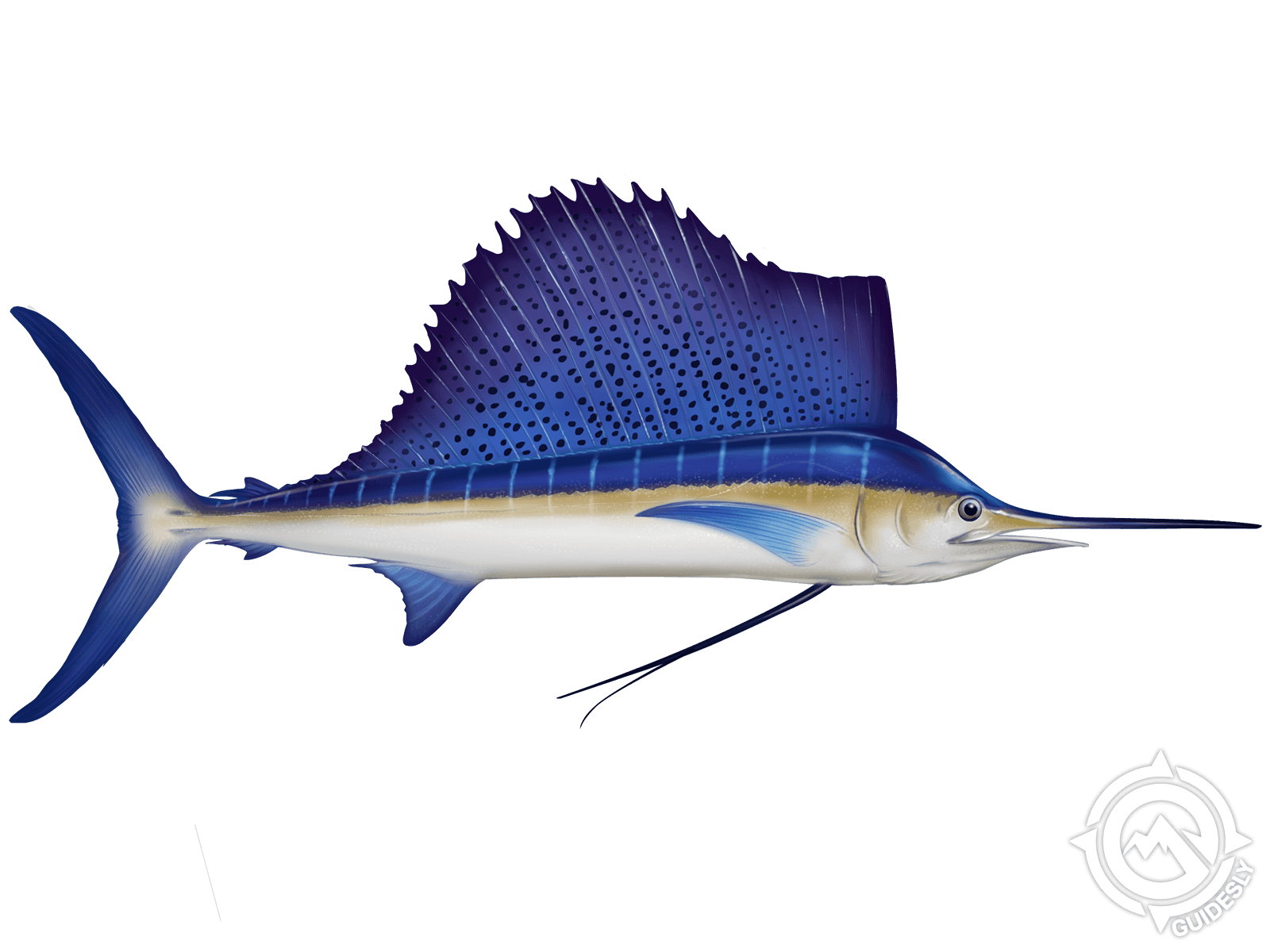
 Atlantic Sailfish
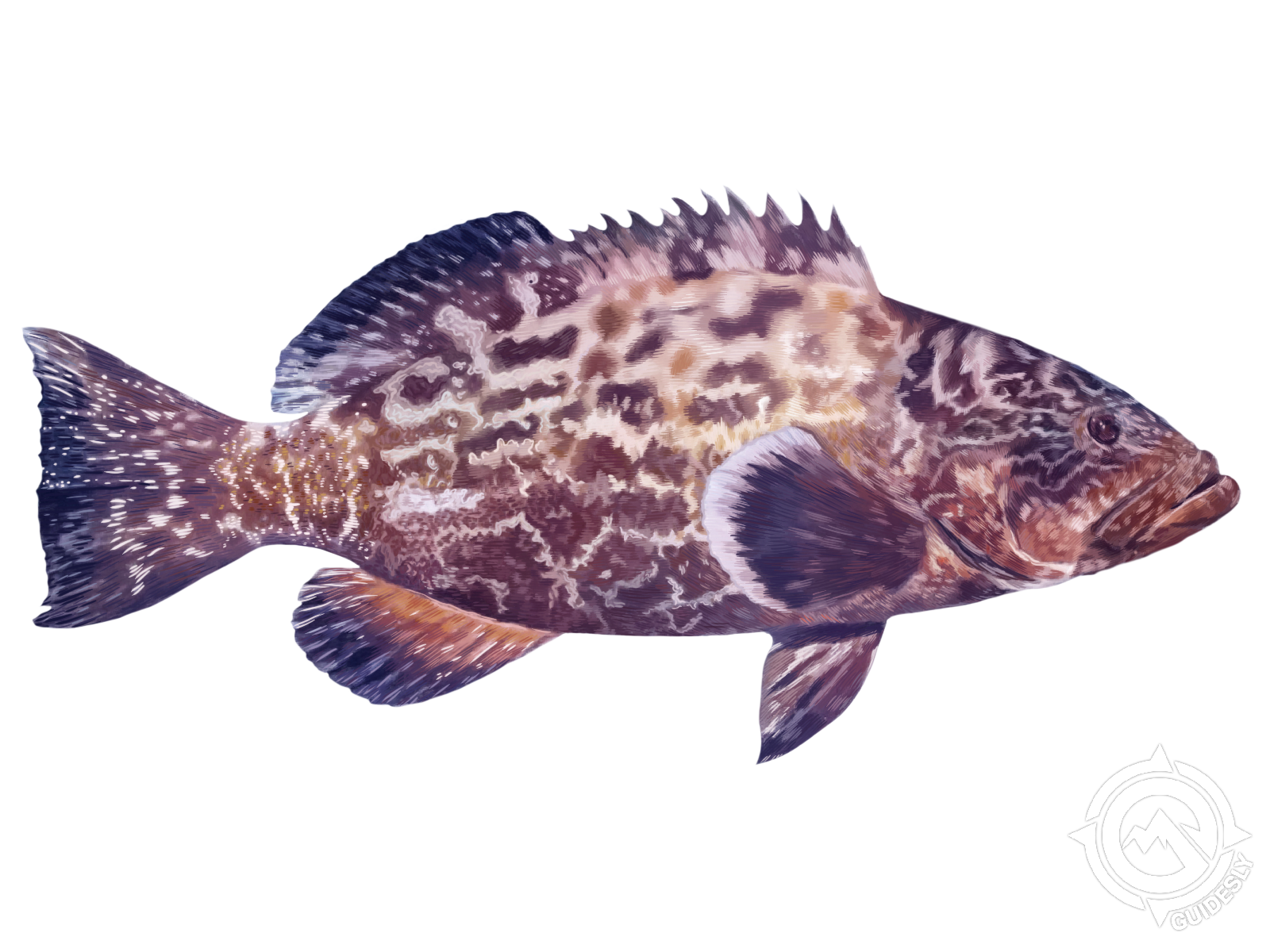 Black Grouper
 Blackfin Tuna
 Goliath Grouper
 King Mackerel
 Wahoo Fish
- 6-hour offshore charter targeting sailfish, tuna, wahoo, and grouper
- Expert captain provides advanced gear and deep-water fishing techniques
- Accommodates up to 4 experienced anglers from Tavernier, Florida
Trip Pricing and Availabilities:
Big Game Bonanza: Half-Day Florida Keys Fishing
Ready to tangle with some serious offshore bruisers? Captain Casey Yaworski's got your ticket to the big leagues with this 6-hour fishing frenzy out of Tavernier. We're talking trophy-sized pelagics and reef monsters that'll put your angling skills to the test. This ain't no lazy day on the water – it's a high-octane hunt for the Keys' most prized gamefish. Strap in, because we're about to show you why the Florida Keys are a world-class fishing destination.
What's on the Menu?
This trip is all about quality over quantity. We're laser-focused on hooking into the cream of the crop: Atlantic Sailfish that'll make your reel sing, chunky Blackfin Tuna perfect for the grill, speedster Wahoo that'll stretch your line, and bruiser Grouper that'll test your biceps. Captain Casey's dialed in on where these fish are hanging, and he's got the arsenal to help you connect. Expect a mix of trolling, live baiting, and maybe even some deep dropping if the conditions are right. The name of the game is flexibility – we go where the fish are biting.
Gearing Up for Battle
Leave your light tackle at home, folks. We're packing some serious hardware for these offshore beasts. The Sea Señorita is decked out with top-of-the-line Penn and Shimano rods and reels, spooled with heavy mono and braid to handle whatever decides to eat your bait. Captain Casey's got a knack for rigging, whether it's a ballyhoo spread for sailfish or chunking for tuna. He'll walk you through the techniques, but be ready to put in some work. These fish don't come easy, but man, is it worth it when that reel starts screaming.
Why the Pros Keep Coming Back
Tavernier might not have the glitz of Key West, but serious anglers know it's a goldmine. You're right on the doorstep of the Islamorada hump – a legendary tuna hangout. The deep water's a stone's throw from the dock, meaning less ride time and more fishing time. And let's not forget the reef. It's teeming with grouper, snapper, and all sorts of tasty bottom dwellers. Captain Casey's been fishing these waters for years, and he's got the spots dialed. Whether it's finding that perfect temperature break for sailfish or knowing which wreck is holding the big grouper, you're in good hands.
The Stars of the Show
Atlantic Sailfish: These acrobatic speedsters are the pride of the Keys. Averaging 6-7 feet and 60-80 pounds, they're known for their spectacular aerial displays once hooked. Winter and early spring are prime time, but you can find them year-round. There's nothing quite like watching a sail light up electric blue as it zeroes in on your bait.
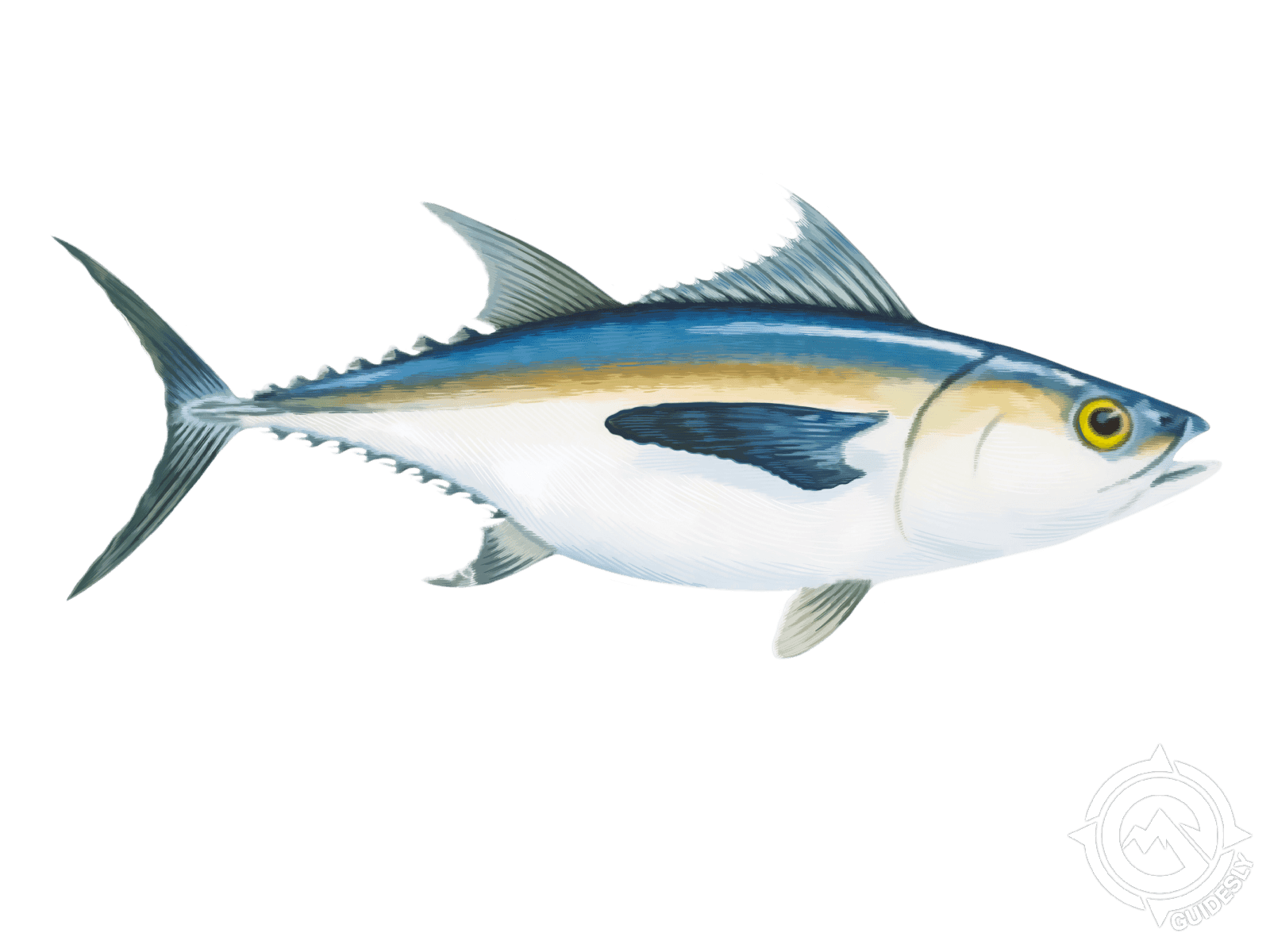
Blackfin Tuna: Don't let their smaller size fool you – these torpedoes punch way above their weight class. Most run 15-30 pounds, but they fight like fish twice their size. They school up around the humps and wrecks, especially in the cooler months. Get ready for screaming runs and some of the best sashimi you've ever tasted.
Wahoo: The speed demons of the deep. These streamlined predators can hit 60 mph in short bursts, making for some of the most exciting strikes you'll ever experience. They average 30-50 pounds but can top 100. Fall and winter are your best bet, but surprise catches happen year-round. Rig up a high-speed lure and hold on tight!
Grouper: The heavyweights of the reef. Black grouper are the usual suspects, averaging 15-30 pounds, but the real prize is the goliath grouper. These behemoths can top 400 pounds and will test every ounce of your strength. They're catch-and-release only, but the photo op is worth its weight in gold. Look for them around wrecks and deep ledges.
King Mackerel: The "smokers" of the Keys. These toothy missiles are known for blistering runs that'll have your reel smoking. Most run 10-20 pounds, but 40+ pounders aren't unheard of. They're around all year but really show up in force during their fall and spring migrations. Fresh king mackerel steaks on the grill? Yes, please.
Time to Get Your Fish On
Look, if you're reading this far, you know the drill. This isn't some laid-back booze cruise – it's a hardcore fishing adventure for anglers who know their stuff (or are ready to learn from the best). Captain Casey's got the local knowledge, the gear, and the drive to put you on fish. All you need to bring is your A-game and maybe some sunscreen. The Florida Keys are calling, and the fish are waiting. Don't let another season slip by without crossing these species off your bucket list. Book your spot on the Sea Señorita and get ready for a day of rod-bending, drag-screaming action you won't soon forget. Trust me, your only regret will be not doing it sooner.
Learn more about the animals
Atlantic Sailfish
Sailfish are the showstoppers of the Keys, known for their stunning aerial displays. They average 6-8 feet long and 60-80 pounds. You'll find them in blue water, often following bait schools. Winter and early spring are prime seasons here. Anglers target them for the acrobatic fights - these fish can leap 10 feet in the air! They're also stunningly beautiful, changing colors as they fight. To catch one, try slow-trolling live baits like ballyhoo or goggle-eyes. When a sail strikes, let it run before setting the hook. Once hooked, be ready for anything - they might tailwalk across the surface or dive deep. A local tip: watch for frigate birds, they often follow sailfish hunting bait schools. It's catch-and-release only, but the memories last a lifetime.
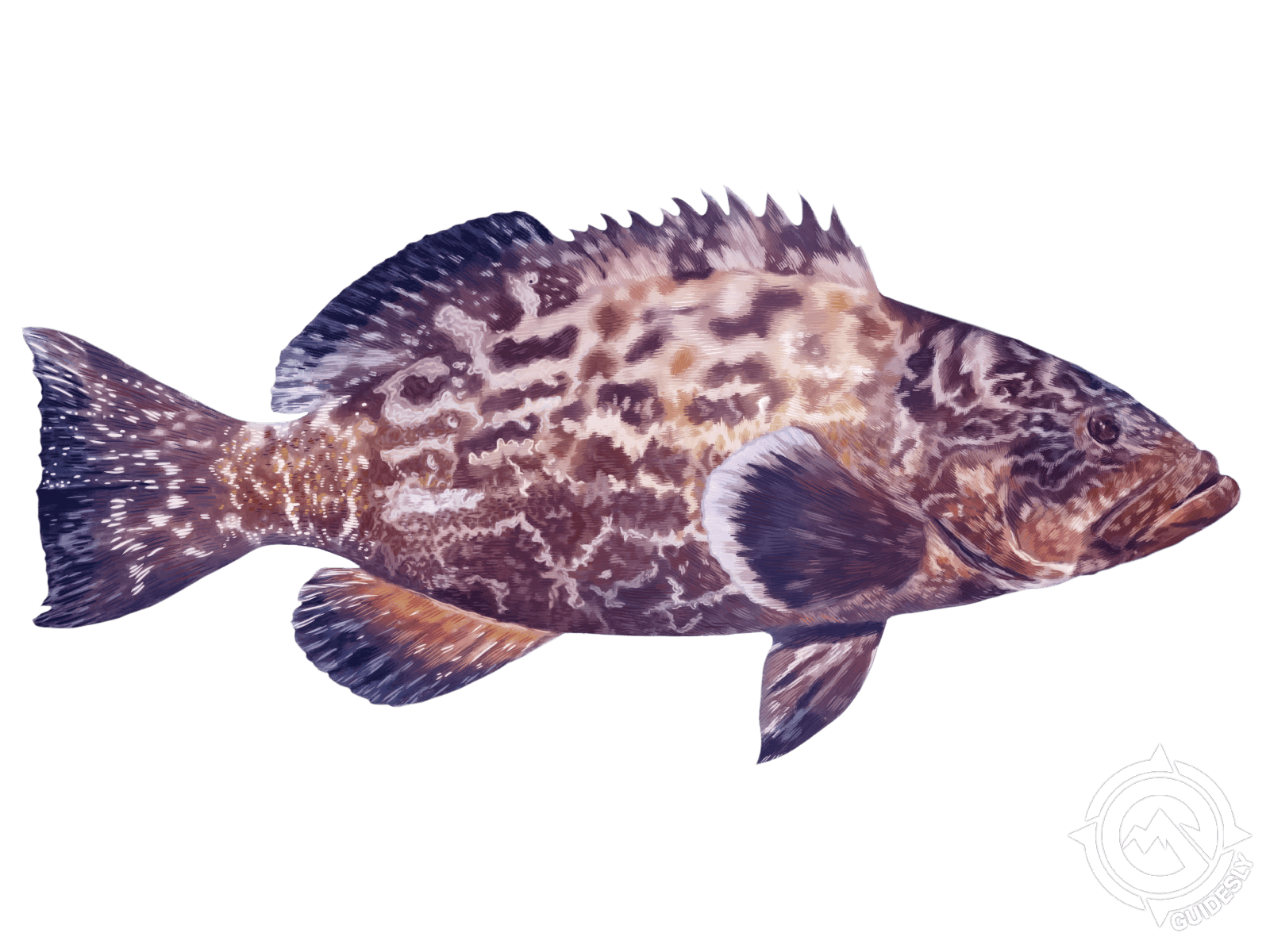
Black Grouper
Black grouper are ambush predators you'll find lurking around reefs and wrecks. They average 2-3 feet but can grow over 4 feet and 100 pounds. These fish like warm water, so we target them year-round in the Keys, with fall being prime time. You'll find them in depths from 30 to 300 feet, often hanging close to structure. Grouper put up a stubborn fight, using their bulk to dive for cover. Anglers love the challenge and the excellent table fare. To land one, use heavy tackle with 80-100 lb leaders. Drop your bait right into their home - think live pinfish or cut bait near the bottom. When you feel that thump, reel fast and pull hard to get them away from the rocks. It's a battle of strength, but the grouper dinner is worth it!
Blackfin Tuna
Blackfin tuna are the speedsters of the Keys, small but mighty fighters. They typically run 15-30 pounds, maxing out around 45. You'll find them in open water, often near weedlines or floating debris. They're here year-round, but fall and winter are prime seasons. Blackfin hunt in schools, so when you find one, you've likely found many. Anglers love their fast runs and the excellent sushi-grade meat. To catch them, try trolling small lures or live bait around dawn and dusk when they're most active. A local trick is to chum heavily to bring them to the surface, then cast light tackle into the frenzy. When hooked, these little guys will give you a fight way above their weight class!
Goliath Grouper
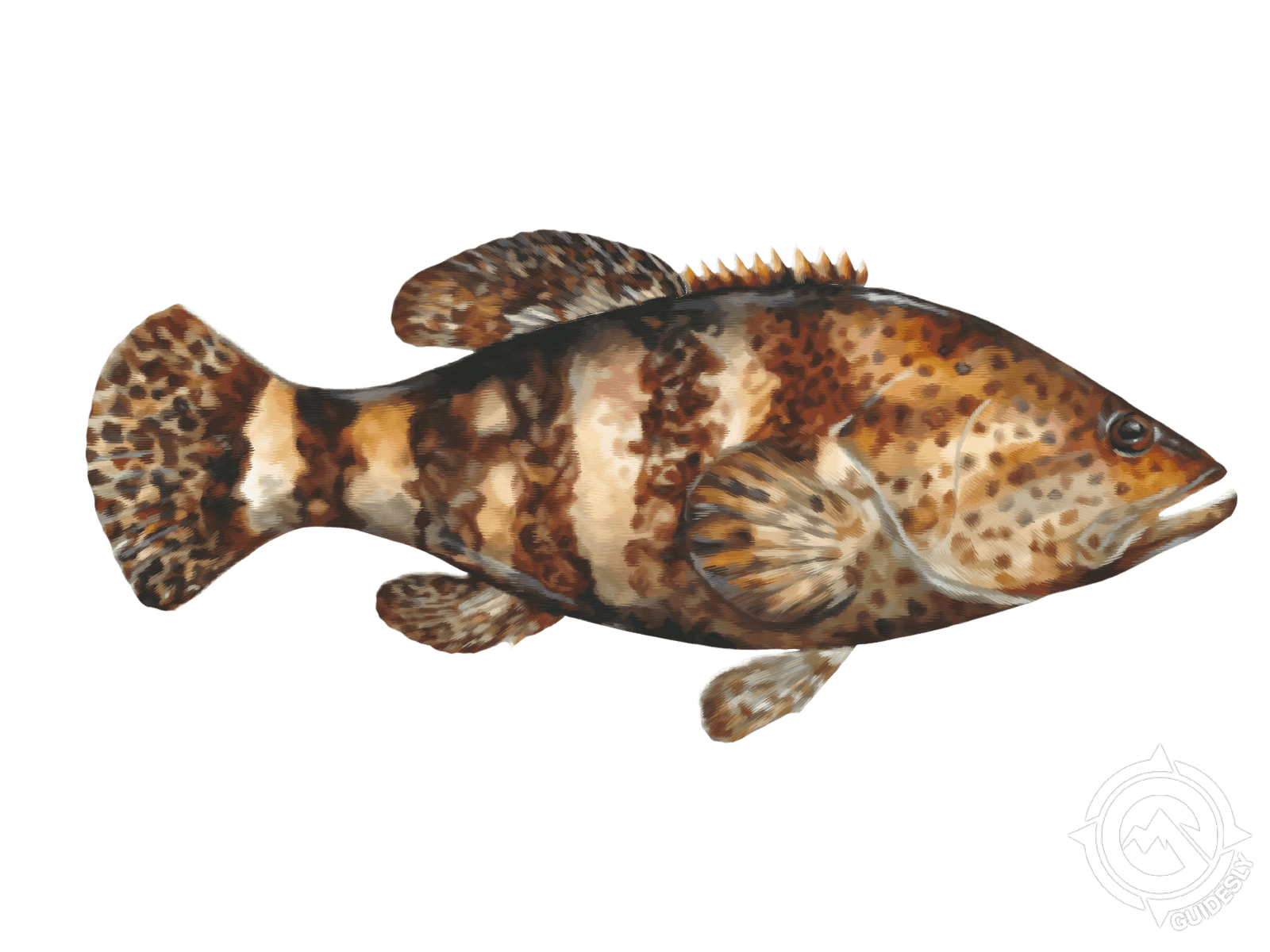
Goliath grouper live up to their name, growing to a massive 8 feet and 800 pounds. These gentle giants hang around shallow reefs and wrecks in depths up to 150 feet. While they're protected and can't be harvested, catch-and-release fishing is allowed. Spring and summer are peak seasons as they gather to spawn. Anglers target them for the sheer thrill of hooking into a fish that can pull you right off the boat. Use extremely heavy tackle - we're talking 80-130 lb class rods and reels spooled with 400-600 lb test line. Anchor up near structure and use large live baits like jack crevalle. When you hook up, be ready for an intense but usually short fight. Remember, these fish are endangered, so handle them carefully and release quickly.
King Mackerel
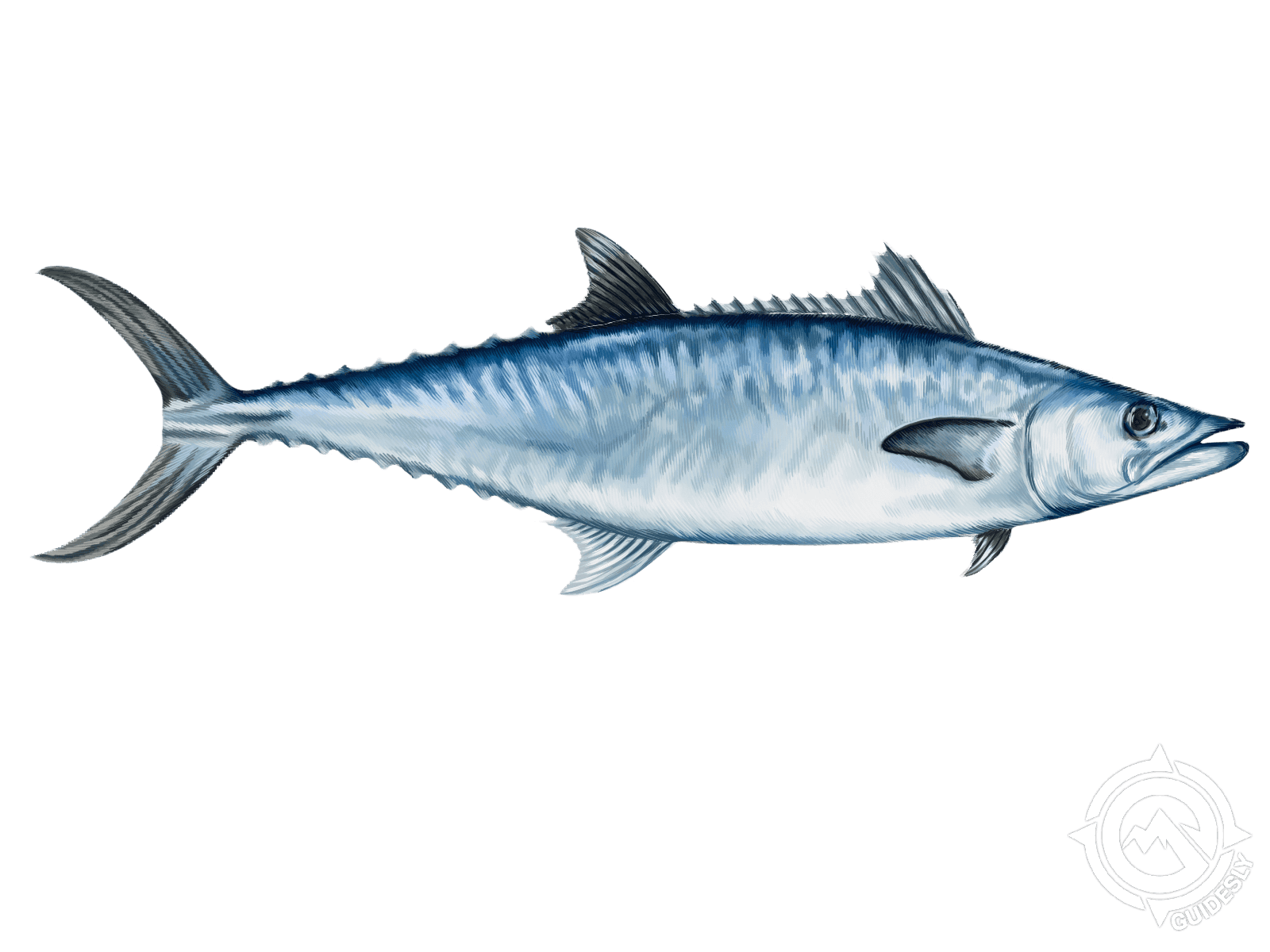
King mackerel, or "kings," are the speedsters of our nearshore waters. They typically run 10-20 pounds but can top 50. You'll find them from the beach out to about 150 feet of water, often around bait schools. Spring and fall migrations bring the best action. Anglers love kings for their blistering runs - they can peel off 100 yards of line in seconds. To catch one, try slow-trolling live baits like blue runners or mullet. Use wire leaders - their razor-sharp teeth will cut through mono. When a king hits, it'll often skyrocket with your bait. Let it run, then hang on! A local trick is to use two hooks - one in the nose of your bait, one trailing. Kings often strike the back half first. The meat's good eating too, just mind the bones.
Wahoo Fish
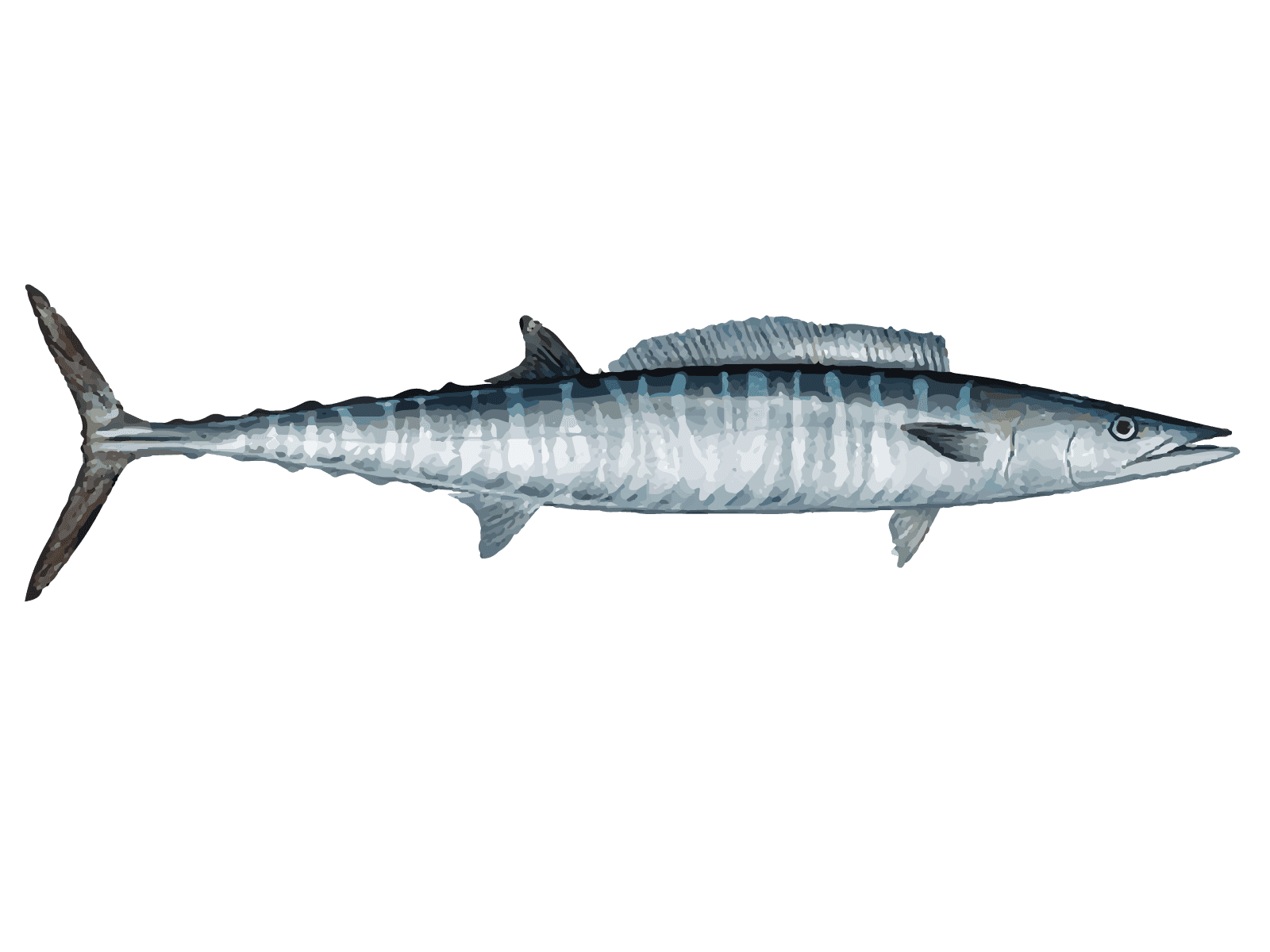
Wahoo are speed demons of the ocean, hitting up to 60 mph. These streamlined fish average 3-5 feet long but can reach over 8 feet. You'll find them in deeper offshore waters, often near structures like reefs or ledges. They're most active in warmer months, especially summer and fall here in the Keys. Anglers love targeting wahoo for their blistering runs and acrobatic jumps when hooked. The meat is excellent too - mild and flaky. To catch one, try high-speed trolling at 12-15 knots with skirted lures or live bait. Use wire leaders since their teeth are razor sharp. When a wahoo hits, hang on tight - that first run will test your drag system and your arms! It's a thrill you won't forget.
About the Sea Señorita
%2F%2Fusers%2F2b68f53a-61ec-4012-bb4c-40de422fde20%2Fboat_picture%2Fboat.jpg&w=1920&q=75)
Vehicle Guest Capacity: 4
Manufacturer Name: Cummins
Maximum Cruising Speed: 30
Number of Engines: 1
Horsepower per Engine: 220
Ready for some serious offshore action in the Florida Keys? Captain Casey Yaworski's 6-hour charter out of Tavernier is perfect for experienced anglers looking to tangle with big game fish. You'll be targeting Atlantic Sailfish, Blackfin Tuna, Wahoo, Grouper, and other hard-fighting species that lurk in these rich waters. The fully-equipped boat and top-notch fishing gear let you focus on honing your advanced techniques. Whether you're trolling for pelagics or bottom fishing for grouper, Captain Casey's expert guidance will help put you on the fish. This isn't a leisurely cruise - it's a chance to test your skills against some of the ocean's toughest fighters in the challenging conditions offshore anglers crave. With room for up to 4 guests, you can bring along your fishing buddies for a day of serious angling and friendly competition. Just remember to bring your A-game - these fish won't go down without a fight!